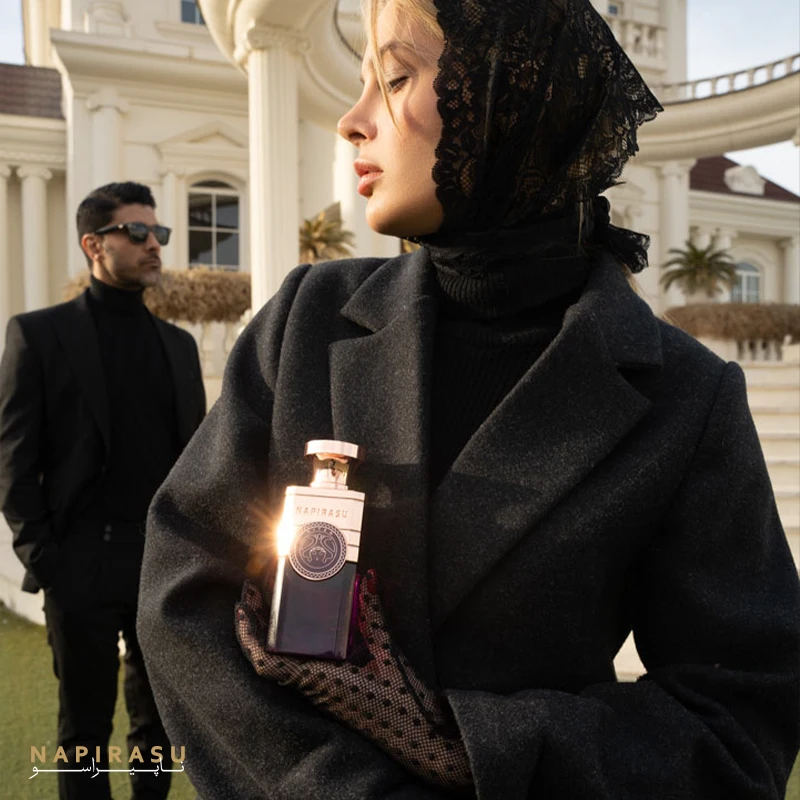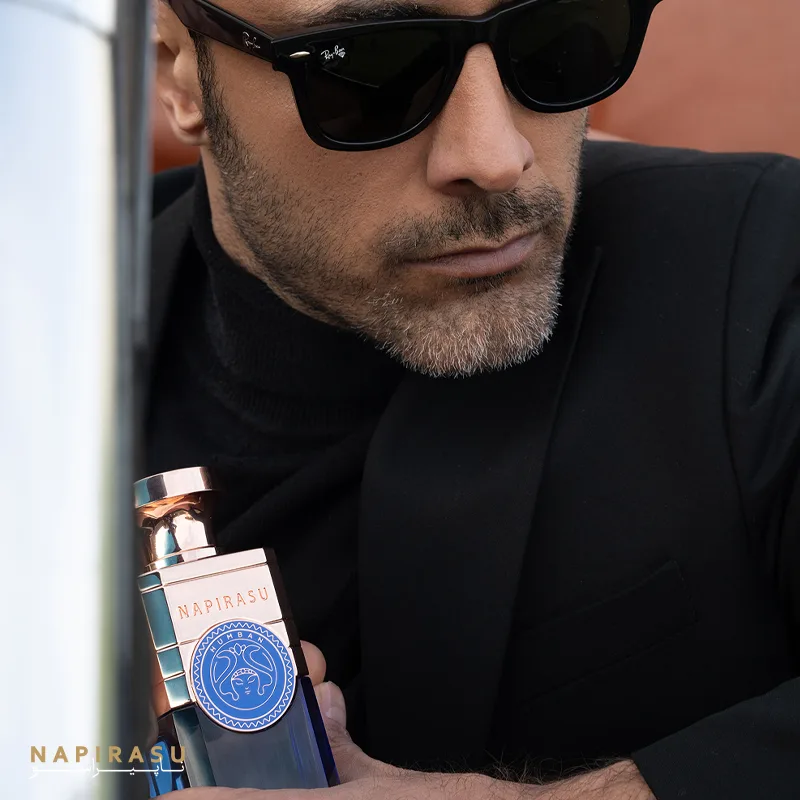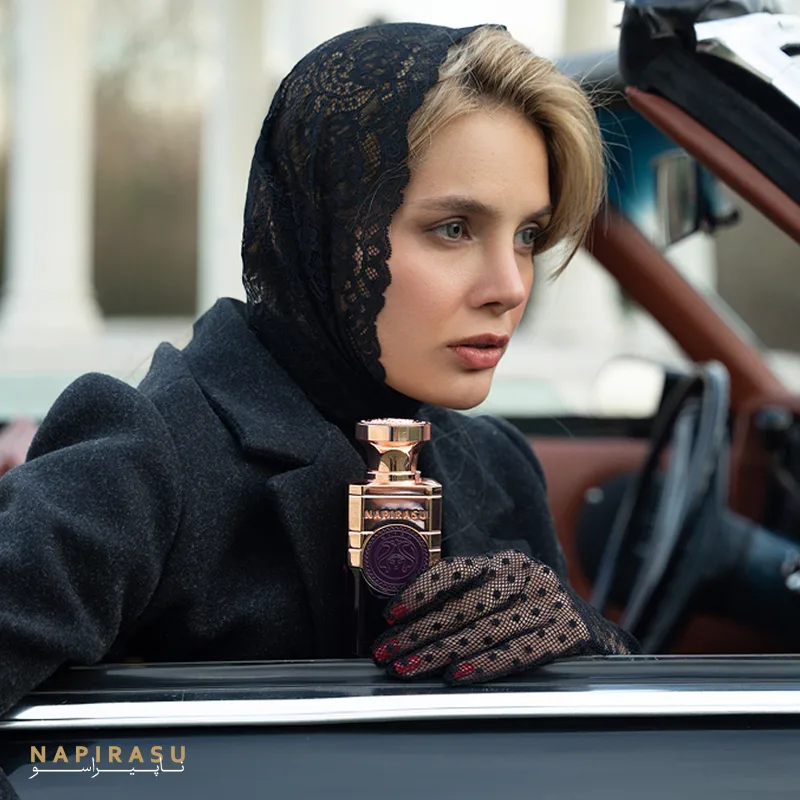


Winter, with its cold and dryness, requires a special perfume that conveys warmth, comfort, and intimacy throughout the day. Winter perfumes should be designed not only to create a sense of warmth and security but also to have high longevity, leaving a pleasant scent even in cold and dry weather. In this article, we discuss the key features that a winter perfume should have, from warm and woody notes to soft sillage and long-lasting performance. We will also introduce the best perfumes for the cold season so you can make a suitable and special choice for this time of year.
1. Warm and Heavy Scents to Create a Sense of Warmth
During the cold season, perfumes with rich and warm aromas provide more comfort and a sense of coziness. Scents such as woody, spicy, and sweet naturally create a warm atmosphere. These perfumes usually feature combinations of sandalwood, cedar, vetiver, cinnamon, vanilla, and cocoa, giving you a feeling of relaxation and stability on cold winter nights.
- Woody: Woody scents like sandalwood, cedar, and vetiver are perfect for warmth and strength, creating comfort and a pleasant feeling in winter.
- Spicy: Blends of cinnamon, ginger, clove, and pepper offer warmth and energy, which are especially attractive in winter’s cold.
- Sweet: Notes like vanilla, chocolate, honey, and caramel give winter perfumes a unique warmth, and alongside woody and spicy notes, create an intimate and cozy atmosphere.
2. Smoky and Leather Notes for a Luxurious Feel
Perfumes with smoky and leather notes are excellent choices for winter. These scents convey power and elegance. The combination of leather and smoky notes in winter perfumes adds luxury, making them particularly appealing on cold nights or in formal settings.
- Leather: Leather scents, especially when combined with woody or floral notes, create depth and solidity.
- Smoky: Scents like burnt wood and incense give winter perfumes depth and a sophisticated, elegant atmosphere.
3. Longevity in Cold Weather
One of the challenges of choosing a winter perfume is its performance in cold temperatures. Perfumes that work well in low temperatures should have rich and deep compositions. Higher concentration perfumes, such as Eau de Parfum (EDP) or Eau de Toilette (EDT), are usually better suited for winter, as their higher scent concentration ensures longer-lasting fragrance in cold weather.
4. Complex and Layered Scents for Greater Depth
In winter, the best perfumes are those composed of complex and layered notes. These fragrances change subtly throughout the day, offering different sensations over time. For example, a perfume combining woody, fruity, and sweet notes can reveal various aromas over time, enhancing the overall fragrance experience.
- Layered Combinations: Layered combinations such as wood, spice, and flowers, or warm fruits like apple and orange with sandalwood and cinnamon, allow the scent to evolve gradually and reveal its full character.
5. Rich and Smoky Scents for Long Winter Nights
Winter nights are longer, requiring a perfume that conveys warmth, comfort, and intimacy. Smoky and sweet scents fulfill this need, creating a special and appealing atmosphere on cold winter evenings. Combinations like burnt wood, musk, and vanilla generate a cozy and inviting feeling.
6. Soft Floral Notes for Variety and Delicacy
Perfumes with subtle floral notes in winter compositions can add softness and refinement. These notes are typically combined with woody and spicy accords, bringing balance and gentleness to heavier fragrances.
- Rose and Jasmine: These floral notes, when blended with wood and cinnamon, add warmth and elegance to winter perfumes.

7. Choosing the Right Concentration for Cold Weather
Winter perfumes often come in higher concentrations like Eau de Parfum (EDP) or Eau de Cologne (EDC), which help the fragrance last longer on the skin. In cold weather, perfumes with concentrated essential oils perform better and maintain a pleasant scent indoors and outdoors.
8. Skin-Friendly for Cold Weather
During winter, skin becomes more sensitive due to cold and dryness, making it important to choose perfumes that are gentle. Perfumes with mild and natural ingredients, low alcohol content, or natural extracts like rose, green tea, or aromatic herbs are more suitable than harsh chemicals in cold weather.
9. Longevity on Clothing
Winter perfumes should also last on clothing. Perfumes containing denser ingredients like wood, musk, and vanilla usually maintain their scent longer, even after washing or exposure to fabrics.
10. Non-Irritating in Indoor Spaces
Since indoor spaces are more frequently used in winter, perfumes should have soft and non-intrusive sillage. Scents that provide a feeling of freshness and comfort without being overpowering are ideal for enclosed environments.
11. Warmth and Comfort in Blends
Winter perfumes should evoke warmth and comfort. Combinations like sandalwood, cedar, musk, cinnamon, vanilla, and chocolate are common in winter, adding depth and complexity while creating a cozy and intimate atmosphere.
Conclusion
Choosing the right winter perfume goes beyond just warm and sweet scents. Winter fragrances should combine woody, spicy, vanilla, and smoky notes to convey warmth and depth. High longevity and soft sillage are also essential in cold weather. By considering these features, you can select a perfume that not only provides comfort and freshness in winter but also maintains its pleasant aroma throughout the day and night. Pay attention to these characteristics to enjoy a warm and delightful winter fragrance experience.